

What Does a Transaction Coordinator Do? Step-by-Step Guide to the Role
The role of a transaction coordinator has become one of the most valuable—and fastest-growing—positions in real estate. Yet many people still don’t fully understand what a transaction coordinator does or why the role is so essential.
If you’re exploring a work-from-home career, considering transaction coordination, or simply trying to understand how real estate deals actually close smoothly, this guide breaks the role down step by step.
What Is a Transaction Coordinator?
A transaction coordinator (TC) is responsible for managing the administrative, compliance, and timeline-related aspects of a real estate transaction from contract to close.
Once a purchase agreement is signed, the transaction coordinator takes over the organization and execution of the transaction—allowing real estate agents to focus on sales, clients, and lead generation.
When Does a Transaction Coordinator Get Involved?
Transaction coordinators typically step in after the offer is accepted and remain involved until the transaction officially closes and the file is completed.
They do not:
- Negotiate contracts
- Show properties
- Advise clients legally or financially
Instead, they ensure everything that was negotiated is carried out correctly.
Why Transaction Coordinators Are Essential in Real Estate
Modern real estate transactions involve:
- Strict legal compliance
- Numerous documents and disclosures
- Time-sensitive deadlines
- Multiple parties
One missed deadline or missing signature can delay or derail a deal. Transaction coordinators protect agents, clients, and brokerages by keeping everything accurate and on schedule.
Step-by-Step: What a Transaction Coordinator Does
Step 1: Contract Review and File Setup
- Reviews the purchase agreement
- Confirms signatures and initials
- Identifies critical deadlines
- Sets up the transaction file
Step 2: Disclosure and Compliance Management
- Ensures state-required disclosures are completed
- Manages brokerage compliance forms
- Tracks required timelines
Compliance is one of the most valuable services a transaction coordinator provides.
Step 3: Deadline Tracking and Timeline Management
Transaction coordinators track:
- Earnest money deadlines
- Inspection periods
- Financing contingencies
- Appraisal timelines
- Closing dates
They send reminders and follow up to ensure nothing is missed.
Step 4: Communication and Coordination
A transaction coordinator communicates with:
- Buyers and sellers
- Listing and buyer agents
- Lenders
- Title companies
- Inspectors
Clear communication prevents confusion and delays.
Step 5: Document Collection and Organization
Transaction coordinators collect, organize, and store:
- Contracts
- Amendments
- Inspection reports
- Disclosures
- Closing documents
Files must be audit-ready at all times.
Step 6: Lender and Title Coordination
Transaction coordinators:
- Confirm lender receipt of contracts
- Track loan progress
- Coordinate title orders
- Review closing disclosures
Step 7: Pre-Closing Review
Before closing, the TC:
- Verifies all documents are complete
- Confirms conditions are satisfied
- Ensures compliance requirements are met
Step 8: Closing and File Completion
After closing:
- Final documents are uploaded
- Files are submitted for brokerage review
- Records are properly stored
What Does a Transaction Coordinator Do Daily?
Daily tasks often include:
- Reviewing timelines
- Sending reminders
- Uploading documents
- Communicating with agents and vendors
- Updating transaction systems
The work is structured, repeatable, and ideal for remote work.
Can a Transaction Coordinator Work From Home?
Yes. Transaction coordination is one of the best work-from-home careers in real estate.
All tasks are performed using:
- Cloud-based software
- E-signature platforms
- Phone or video calls
This flexibility is why many people transition into this role.
What Skills Does a Transaction Coordinator Need?
Key skills include:
- Organization
- Attention to detail
- Time management
- Communication
- Comfort with technology
Licensing requirements vary by state, but many transaction coordinators work without a real estate license.
Transaction Coordinator Salary: How Much Can You Make?
Most transaction coordinators are paid per file, not hourly.
Typical rates:
- $300–$600 per transaction
Monthly income examples:
- 10 files × $400 = $4,000
- 20 files × $400 = $8,000
- 30 files × $400 = $12,000
Many experienced transaction coordinators earn full-time income with flexible hours.
Is Transaction Coordination a Good Career?
Transaction coordination offers:
- High demand
- Low startup costs
- Remote work
- Scalable income
- Predictable workflows
It’s ideal for people who want flexibility without sacrificing income potential.
How Long Does It Take to Become a Transaction Coordinator?
With the right training:
- Basics can be learned in weeks!
Common Myths About Transaction Coordinators
Myth: It’s just paperwork
Reality: It requires expertise and responsibility
Myth: Anyone can do it instantly
Reality: Systems and training matter
Myth: It’s overwhelming
Reality: With processes, it’s manageable and predictable
Learn How to Become a Transaction Coordinator From Home
If you’ve read this far, you’re likely asking yourself one important question:
“How do I actually start doing this?”
Understanding what a transaction coordinator does is the first step—but knowing how to do it correctly, confidently, and professionally is what separates beginners from successful, paid transaction coordinators.
That’s exactly why we created the TC Academy!
📘 Inside the Academy, You’ll Learn:
- How transaction coordination works in real life (not theory)
- What documents you actually handle and when
- How to manage timelines without feeling overwhelmed
- What to charge per transaction
- How to work with agents professionally
- How to set up systems so you can work from home
- Common mistakes that cost beginners time and money
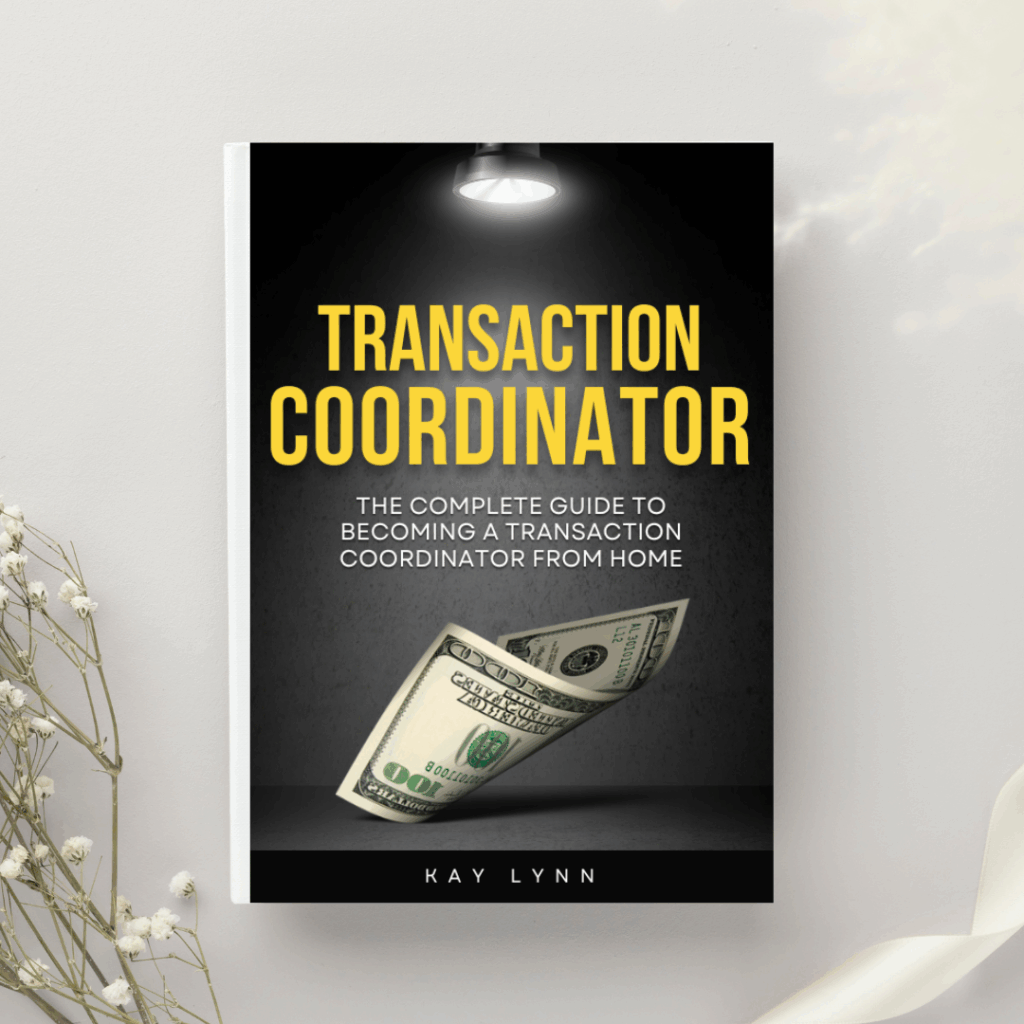

Instantly download our complete Transaction Coordinator Book and get everything you need in one place—whenever you need it. Inside, you’ll unlock all 20 training modules, plus direct links to all the spreadsheets, templates, and tools that TCs use to run a profitable business.