
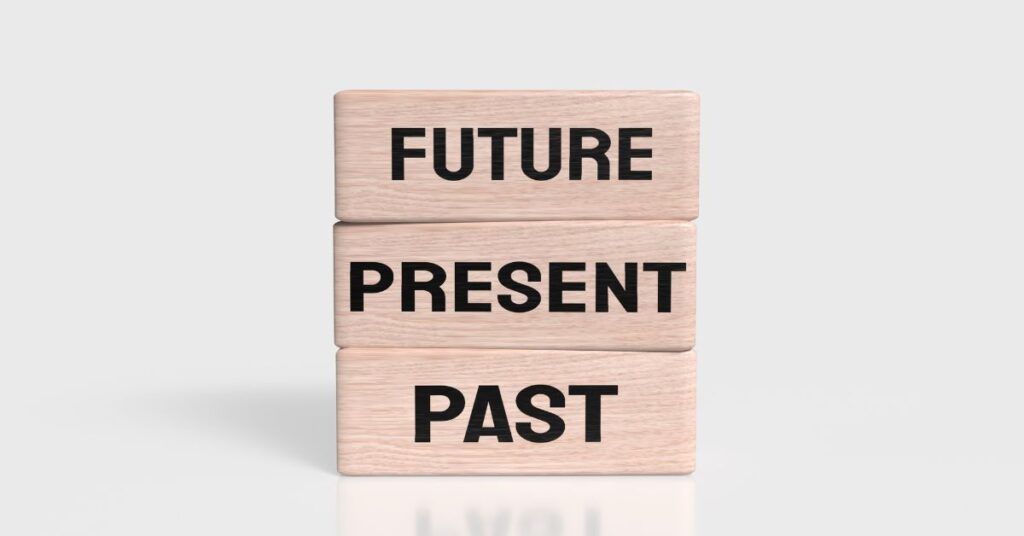
Typical Real Estate Transaction Timeline for a Transaction Coordinator
Why Understanding the Timeline Is Essential
Transaction coordinators rely on timelines to keep deals compliant and moving forward. Understanding the full transaction lifecycle is foundational to the role.
Contract Acceptance and File Setup
Once a contract is accepted, the transaction coordinator opens the file, reviews the contract, and enters all deadlines into the transaction system.
Inspection Period
During inspections, coordinators track inspection deadlines, ensure reports are delivered, and confirm that any responses are documented.
Financing and Appraisal Phase
This phase includes monitoring loan approval timelines, appraisal scheduling, and communication with lenders to ensure progress.
Contingency Removal and Compliance Checks
As contingencies are satisfied, the transaction coordinator ensures documentation is complete and submitted correctly.
Pre-Closing Preparation
Before closing, coordinators confirm that all required documents are signed, final disclosures are delivered, and closing details are confirmed.
Closing Day Responsibilities
On closing day, transaction coordinators verify that documents are recorded and notify agents once the transaction is officially complete.
Post-Closing Tasks
After closing, files are archived according to brokerage requirements, ensuring compliance and proper record-keeping.
Why Timelines Reduce Stress
Clear timelines allow transaction coordinators to anticipate needs rather than react to problems, reducing stress and errors.
Final Thoughts
A well-managed transaction timeline is the backbone of successful transaction coordination. Mastery of this process separates good coordinators from great ones.
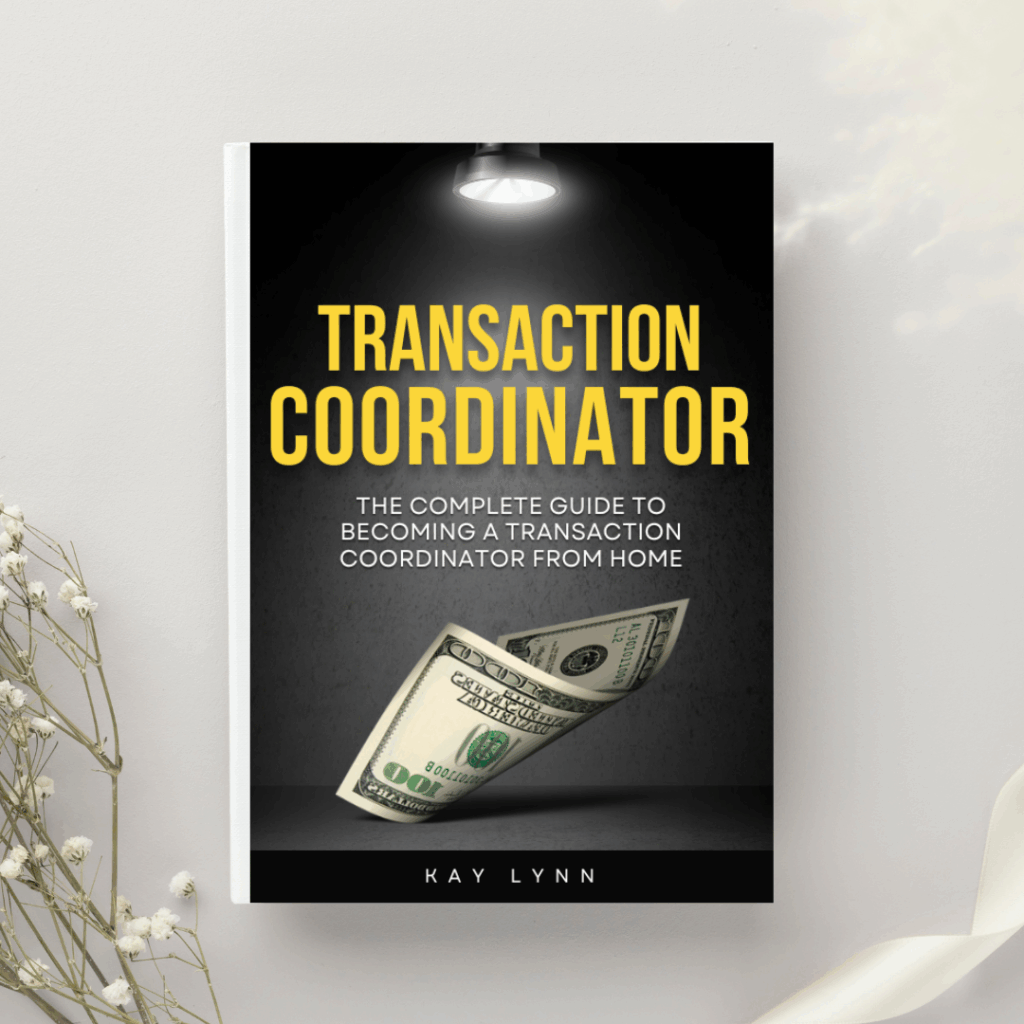

Instantly download our complete Transaction Coordinator Book and get everything you need in one place—whenever you need it. Inside, you’ll unlock all 20 training modules, plus direct links to all the spreadsheets, templates, and tools that TCs use to run a profitable business.