

How to Stay Compliant as a Transaction Coordinator in Multiple States
Why Compliance Matters
Transaction coordinators handle contracts, disclosures, and deadlines. Non-compliance can result in fines, legal issues, or loss of trust.
Understand State Regulations
Each state has unique real estate laws. Coordinators should research whether their work requires licensure or specific knowledge per state.
Licensing Requirements
Some states require TCs to hold a real estate license, while others do not. Verify requirements for all states in which you provide services.
Document Handling and Retention
Ensure proper storage, security, and retention schedules for all documents per state regulations. Cloud storage with access logs helps maintain compliance.
Disclosure and Contract Rules
State-specific rules may affect contract clauses, signature requirements, or disclosures. Coordinators must follow these precisely to avoid legal risk.
Use Compliance Software
Transaction management platforms often include state-specific checklists and reminders. Leveraging software reduces errors and streamlines multi-state compliance.
Consult Professionals When Needed
When in doubt, consult attorneys or compliance specialists. This is especially important for multi-state transactions with complex requirements.
Continuous Education
Laws and regulations change frequently. Keeping updated through courses, webinars, and professional networks ensures ongoing compliance.
Final Thoughts
Multi-state compliance requires knowledge, systems, software, and continual learning. Coordinators who prioritize compliance protect themselves, their clients, and their business reputation.
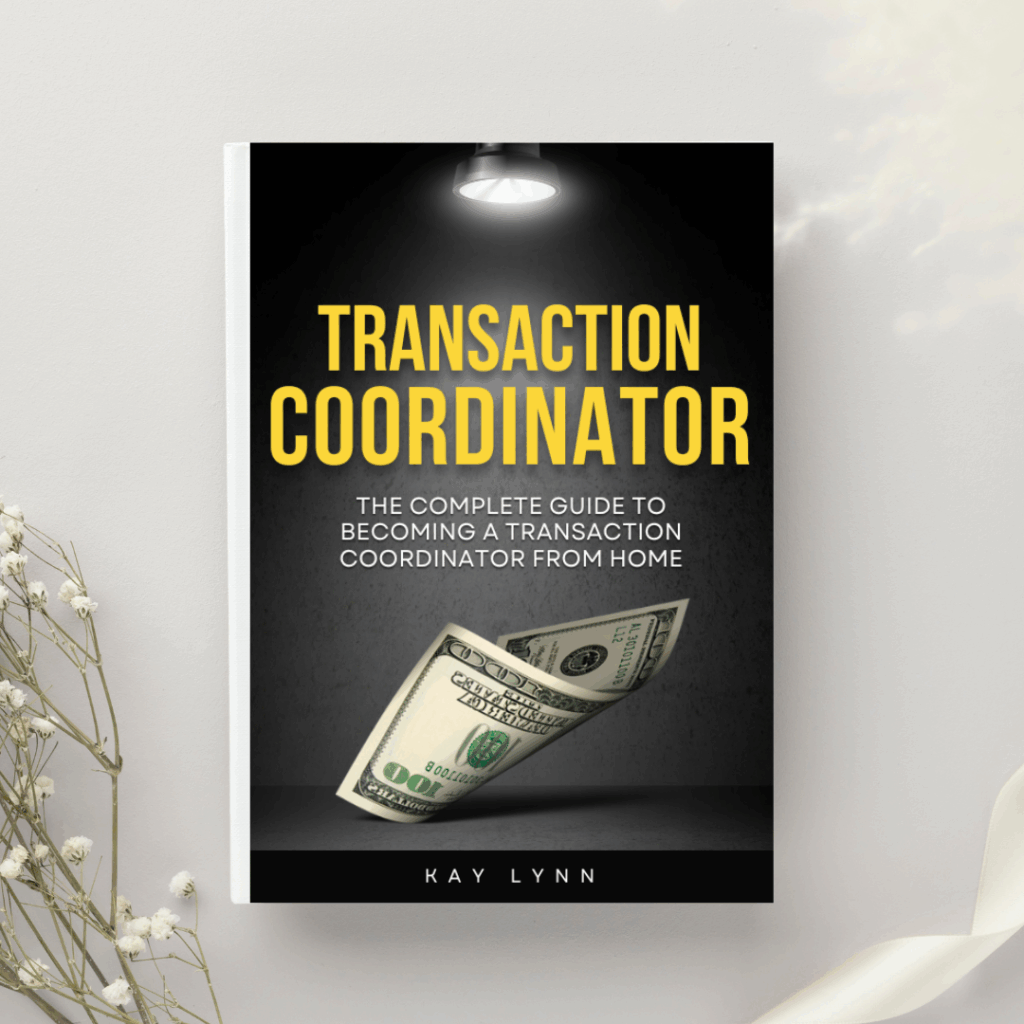

Instantly download our complete Transaction Coordinator Book and get everything you need in one place—whenever you need it. Inside, you’ll unlock all 20 training modules, plus direct links to all the spreadsheets, templates, and tools that TCs use to run a profitable business.