

Do You Need a License to Be a Transaction Coordinator? (State-by-State Breakdown)
The Short Answer: NO
Most states allow unlicensed administrative support as long as you are not performing real estate agent duties!
States That Commonly Require Licensing or Broker Oversight
In states with stricter real estate regulations, transaction coordinators may be required to hold a license or work directly under a licensed broker. These rules are designed to prevent unlicensed individuals from performing activities considered real estate practice.
States That Allow Unlicensed Transaction Coordinators
Many states allow unlicensed transaction coordinators to perform purely administrative tasks, such as tracking deadlines, organizing paperwork, and submitting documents, as long as they do not negotiate terms or provide advice.
Why Licensing Rules Matter
Failing to comply with state licensing requirements can result in fines, loss of clients, or legal issues. Agents rely on transaction coordinators to protect them from compliance problems, not create them.
How to Work Across Multiple States Safely
Many transaction coordinators work remotely with agents in multiple states. To do this safely, coordinators must clearly define their role as administrative only and stay within the allowed scope of work for each state.
How to Verify Your State’s Requirements
Always check your state’s real estate commission website or consult a real estate attorney or broker before offering services. Laws change, and staying informed protects your business.
Final Takeaway on Licensing
You may or may not need a license to be a transaction coordinator, but understanding your state’s rules is non-negotiable if you want a legitimate, long-term work-from-home career.
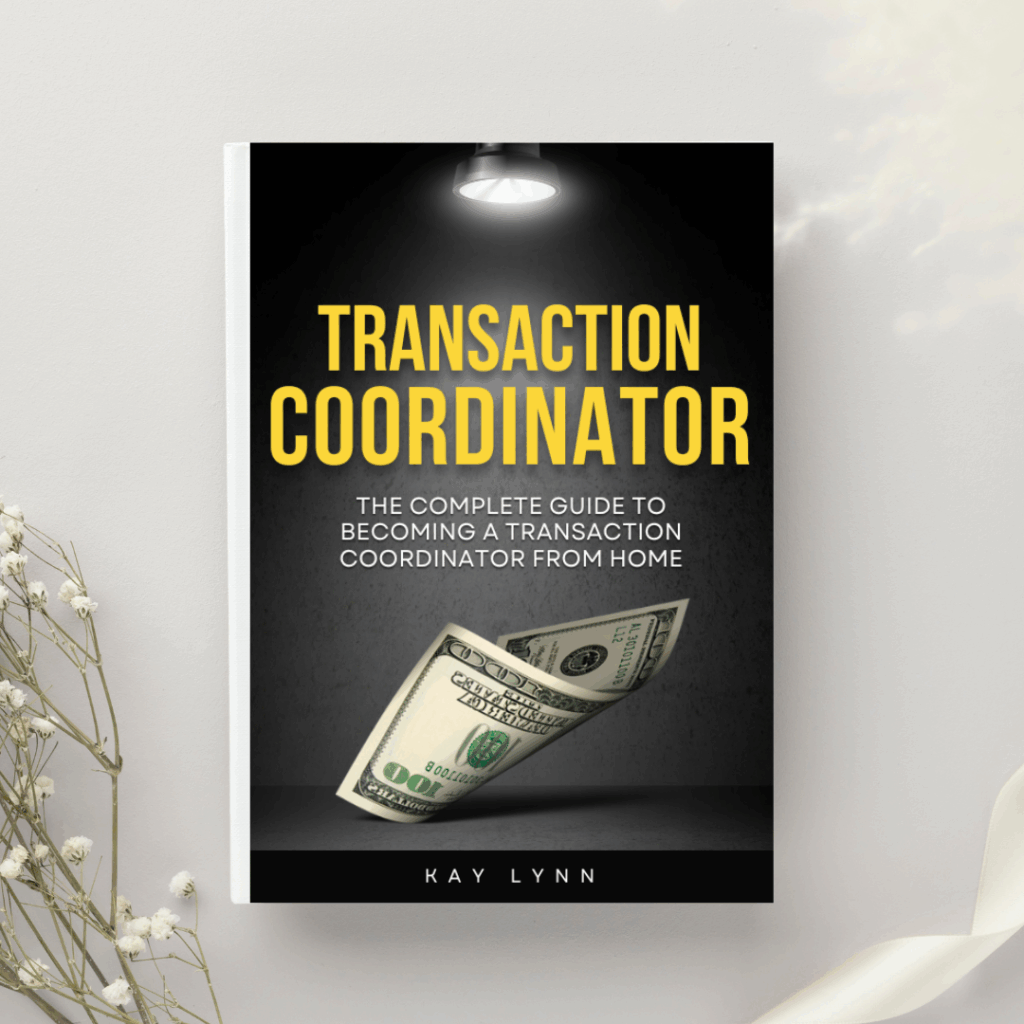

Instantly download our complete Transaction Coordinator Book and get everything you need in one place—whenever you need it. Inside, you’ll unlock all 20 training modules, plus direct links to all the spreadsheets, templates, and tools that TCs use to run a profitable business.